Pallet Standards & Certifications Guide
What ISPM-15 and the GMA spec mean, how to read an ISPM-15 stamp, and what to ask a pallet supplier before you buy.
Need ISPM-15 Pallets?
Partner suppliers in our network can supply ISPM-15 stamped, heat-treated pallets on request. Tell us what you need.
Why Pallet Standards Matter
Pallet standards make it easier to buy the right pallet and avoid problems later, whether that is a shipment held at a foreign port or pallets that don't fit your racking. This guide explains the standards you are most likely to come across.
SD Re Pallet is a referral service and does not hold certifications itself. When you need ISPM-15 heat-treated pallets, partner suppliers in our network can supply stamped pallets on request. Use the questions further down this page to confirm exactly what you are getting.
ISPM-15: Wood Packaging for International Shipping
What Is ISPM-15?
ISPM-15 (International Standards for Phytosanitary Measures No. 15) is a standard from the International Plant Protection Convention (IPPC). It is designed to stop wood packaging such as pallets, crates, and dunnage from carrying plant pests and diseases between countries. Many countries require solid-wood packaging used in international trade to be treated and marked under ISPM-15.
How Pallets Are Treated
The most common treatment is heat treatment (HT): the wood is heated until its core reaches at least 56°C (132.8°F) for at least 30 continuous minutes. Wood must also be debarked. Treatment is carried out by facilities registered under their national program. In the U.S., the program is overseen by USDA APHIS through accredited agencies.
When You Need It
If you ship goods to another country on wood pallets, you will usually need ISPM-15 compliant pallets. Shipments with non-compliant wood packaging can be delayed, treated, refused, or destroyed at the destination. Domestic shipments within the U.S. generally do not require ISPM-15 pallets.
What Is Exempt
ISPM-15 applies to solid wood. Pallets made from plastic, metal, or processed wood products such as plywood, OSB, and particleboard are generally exempt, as is very thin wood. Requirements can vary by destination, so confirm with your freight forwarder or the importing country's authorities.
The GMA Pallet Specification
What Is a GMA Pallet?
The GMA pallet is the 48×40-inch stringer pallet specified by the former Grocery Manufacturers Association. It is the most widely used pallet size in the United States, which makes it the easiest size to buy, sell, reuse, and recycle.
Typical Construction
A GMA-style pallet has three stringers running the 48-inch length, with deck boards nailed across the top and bottom. Stringers are usually notched so a forklift can enter from all four sides (partial four-way entry). Exact board counts, wood species, and load ratings vary between manufacturers.
Why It Matters for You
Standard sizes are easier to source as recycled pallets, usually cost less, and are more likely to have resale value when you have surplus. If your racking, trucks, or customers are set up for 48×40, sticking to that size keeps things simple. See our size guide for other common sizes.
Other Standards You May Hear About
ISO 6780
An international standard that lists a small set of recommended pallet footprints, including 1200×800 mm, 1200×1000 mm, and 1219×1016 mm (48×40 inches). It is useful context when you trade with partners that use metric sizes.
EPAL / EUR Pallets
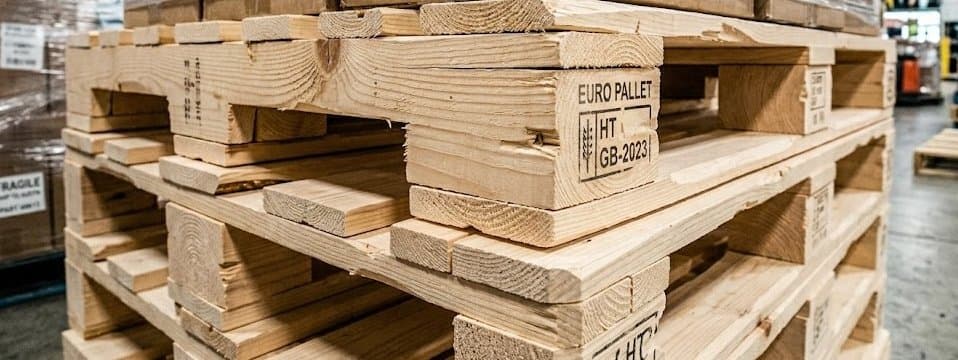
The 1200×800 mm Euro pallet is common in Europe. Pallets carrying EPAL or EUR markings are made to a defined specification by licensed producers. If a customer asks specifically for EPAL pallets, ask the supplier to confirm the markings.
Pooled (Rental) Pallets
Painted pallets such as blue or red pooled pallets are typically owned by pallet rental companies, not by the business holding them. They usually should be returned through the pooling company rather than sold or recycled. Ask a supplier before including them in a sale.
How to Read an ISPM-15 Stamp
A compliant pallet carries a mark, usually on at least two opposite sides, that contains these elements. The mark should be legible and permanent, not a handwritten label.
| Stamp Element | What It Tells You |
|---|---|
| IPPC logo | The wheat-ear symbol shows the wood packaging was treated under the ISPM-15 standard. |
| Country code | A two-letter ISO country code showing where the wood was treated, for example US. |
| Producer / treatment provider number | A unique registration number assigned to the facility that treated or produced the packaging. |
| Treatment code | HT means heat treatment. Other codes include MB (methyl bromide fumigation), DH (dielectric heating), and SF (sulfuryl fluoride). |
* If a pallet has been repaired with new wood, the repaired pallet may need to be re-treated and re-marked to stay compliant. Ask the supplier how repaired pallets are handled.
What to Ask a Pallet Supplier
When a partner supplier follows up on your request, these questions help you compare quotes and avoid surprises on delivery.
What size and construction are the pallets?
Confirm dimensions (for example 48×40), stringer or block style, and four-way or two-way entry.
How do you define the grade?
Grade A, B, and C are common terms, but each supplier applies them slightly differently.
Are the pallets ISPM-15 heat treated and stamped?
Essential for export. Ask to see the stamp on the pallets you will receive.
What load can they carry?
Ask about typical static and dynamic load ratings if you ship heavy or racked loads.
Are they clean and dry?
Important for food, pharmaceutical, and retail use. Ask about mold, moisture, and contamination.
Is pickup or delivery included?
Confirm delivery windows, minimum order quantities, and any fees.
For export shipments, also check the destination country's current wood packaging rules with your freight forwarder or customs broker.
Get Quotes for Standard or ISPM-15 Pallets
Send us your size, quantity, and treatment requirements. We will pass your request to a partner supplier in our network who can quote and confirm the details with you.